
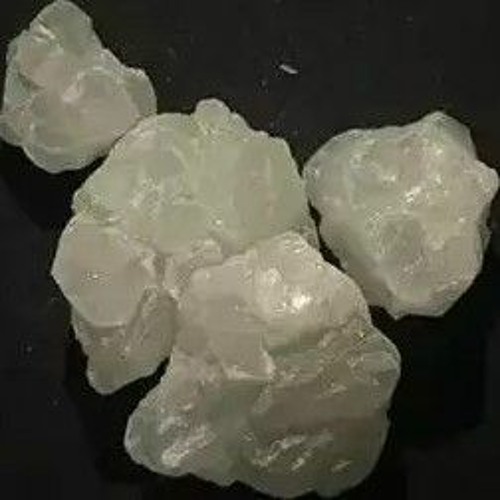
Where You Can Find MDPHP (hydrochloride)
Mdphp(hydrochloride) is a synthetic stimulant with a significant potential for misuse and dependency. Research with this substance should only be undertaken by licensed specialists in controlled laboratory conditions owing to safety concerns.
Model Compound for Mdphp Designer Drugs:
The khat plant contains Mdphp(hydrochloride), a synthetic cathinone, a class of stimulant drugs with structural similarities to cathinone. Mdphp(hydrochloride) may be used as a model compound in scientific research to examine the effects of designer drugs on the brain and behavior. By examining the ways in which Mdphp(hydrochloride) interacts with the brain, researchers can learn more about the wider effects of designer drugs, which can be useful for creating harm reduction and addiction treatment plans.
Neuropharmacological Research projects:
The compound is thought to work by raising dopamine and norepinephrine levels, which are neurotransmitters involved in motivation, pleasure, and reinforcement. Neuropharmacological studies that aim to understand the mechanisms underlying addiction and reward processing in the brain may also benefit from Mdphp (hydrochloride). By examining how Mdphp (hydrochloride) affects these neurotransmitter systems, researchers can gain a better understanding of the neural basis of addiction and create drugs to treat it.
Mechanism of Action of Mdphp
Safety and Hazards of Mdphp
The considerable potential for addiction and misuse makes mdphp (hydrochloride) a restricted drug.
It may result in a number of harmful side effects, including as elevated blood pressure, heart rate, agitation, paranoia, hallucinations, and even death, according to the little study.
Chemical Reactions of Mdphp
Characteristics of artificial cathinones:
Oxidation: Ketones or carboxylic acids may result from this process.
Reduction: An alcohol can be produced from the ketone group.
Substitution: In electrophilic substitution processes, the aromatic ring may take part.
Lithium aluminum hydride is a common reagent for reduction in these processes, while potassium permanganate is used for oxidation. During these reactions, the main products are determined by the particular circumstances and reagents utilized.
Synthesis Method of Mdphp
Usually, the synthesis of MDPHP consists of:
The first ingredients are pyrrolidine and 3,4-methylenedioxyphenyl-2-propanone.
Reaction Conditions: To create MDPHP, these components are reacted with an appropriate alkyl halide in a controlled environment.
Probably similar to laboratory synthesis, industrial manufacturing is tailored for greater yields and purity.
Biological Activity of Mdphp
The main way that MDPHP works is as a strong norepinephrine-dopamine reuptake inhibitor. Post-synaptic neurons are more stimulated when MDPHP raises the concentration of these neurotransmitters in the synaptic cleft by preventing their absorption. Increased neural activity as a result of this process impacts reward systems, mood management, and motor control.
Pharmacokinetics of Mdphp
MDPHP’s absorption and possible toxicity are greatly influenced by its pharmacokinetic characteristics. Its effects can be changed by variables like the way it is administered and a person’s physiological condition.
Reviews
There are no reviews yet.