
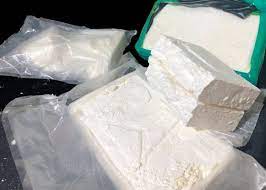
Everything You Need to Know About Colombian Cocaine
The substance cocaine is a stimulant. They expedite communications from the brain to the body.
The coca shrub (Erythroxylum coca), which is indigenous to South America, yields cocaine from its leaves. 1 Three distinct types of cocaine are produced by processing the leaf extract:
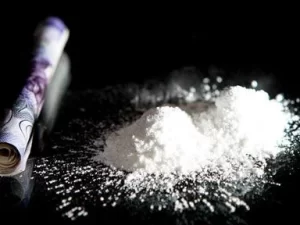
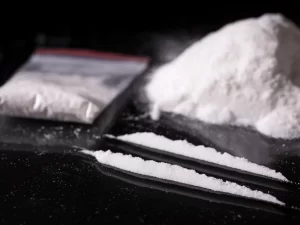
Cocaine hydrochloride is a fine, white powder that has a numbing, bitter flavor. Prior to being sold, cocaine hydrochloride is frequently diluted by mixing, or “cutting,” it with other ingredients like lidocaine, talc, or sugar.
Freebase is a white powder that is more pure than hydrochloride cocaine.
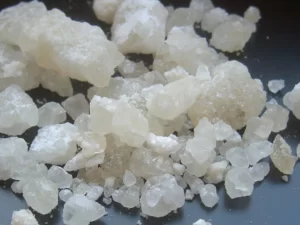
Crack: crystals with a pink or yellow tint that range in color from white or cream to translucent. There can be contaminants in it.
The Effects of Colombian Cocaine
Any drug use has some hazards. When using any kind of medication, caution is crucial.
Everybody is affected by cocaine differently, depending on:
- dimensions, weight, and well-being
if the individual is accustomed to taking it, whether they take other medications concurrently, the dosage, and the drug’s potency (which varies from batch to batch).
You could encounter:
- contentment and self-assurance
- Talking more, feeling alert and energized, and experiencing anxiousness
- agitation, irritation, and paranoia
- headaches, lightheadedness, and a strong, alert body and mind
- decreased appetite
- expanded (dilated) pupils due to dry mouth*
- elevated blood pressure and accelerated respiration and pulse
- elevated body temperature
- heightened desire for sex
- sleeplessness, erratic, violent, or hostile conduct, and disregard to discomfort.
Can You Mix Colombian Cocaine With Other Drugs?
Combining cocaine with other substances might raise the risk of injury and have unexpected consequences.
- Anxiety, paranoia, disorientation, and thought loops can be exacerbated by cocaine, psilocybin, LSD, and cannabis.
- Opioids, cocaine, GHB, and GBL can raise the risk of respiratory arrest and heart strain.
- Methamphetamine and cocaine use can raise the risk of heart strain.
- Depending on the dosage, cocaine and ketamine can raise blood pressure, impair thinking, and affect coordination.
- Cocaine with alcohol: cocaine’s stimulant impact might make you feel less inebriated, which encourages you to drink more.
- MDMA with cocaine: raise the risk of psychosis, heart attacks, and heart strain. Cocaine can also lessen MDMA’s positive effects.
How Long Does Colombian Cocaine Stay in the System?
Colombian cocaine can be seen on a drug test for one to three days following a single usage. Cocaine can remain on a drug test for up to two weeks after stopping strong, long-term use.
Reviews
There are no reviews yet.